
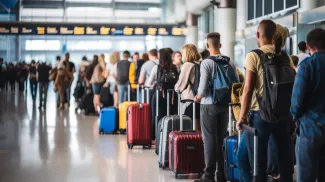
Travelers across the United States are bracing for significant disruptions as the ongoing federal government shutdown forces airlines to implement major schedule reductions. In a statement released November 5, 2025, United Airlines CEO Scott Kirby announced that the FAA and Department of Transportation have directed every airline to cut schedules at 40 high-volume domestic airports, starting Friday, November 7. The goal: to relieve pressure on the aviation system and maintain the strictest safety standards, even amid unprecedented challenges.
Why Is the FAA Mandating Cuts?
The federal government shutdown—now the longest in U.S. history—has created severe staffing shortages among air traffic controllers, who have continued working without pay since October 1. Many controllers are calling in sick or seeking second jobs, severely impacting the nation's air traffic system. According to Secretary of Transportation Sean Duffy, the FAA will require a 10% reduction of flights at the country's busiest airports to prevent chaos and ensure safety.
"This proactive measure places safety above all else," Duffy explained, noting that the action is vital to relieve overworked aviation staff and avoid risking public safety. FAA Administrator Bryan Bedford further emphasized that these cuts are "prescriptive and surgical," targeting only select domestic markets while leaving long-haul international and hub-to-hub flights untouched.
Who Will Be Affected?
- Domestic flights: The reductions focus on regional and mainline domestic flights not traveling between airline hubs. United Airlines stated its long-haul international and hub-to-hub services will continue unaffected.
- Travelers with tickets: All United customers scheduled to travel during this period can access rebooking options via the airline's app, website, or push notifications. Importantly, even those with non-refundable or basic economy tickets are eligible for full refunds if they choose not to travel—a rare policy shift reflecting the extraordinary situation.
What Should Travelers Do?
- Check flight status regularly: With rolling schedule updates expected, airlines are working to provide several days' advance notice of cancellations or changes.
- Consider alternatives: Because fall travel is typically less crowded, many displaced passengers may find seats on alternate flights, despite the widespread cuts – United expects to offer about 4,000 flights daily even after reductions.
- Refunds available: Those not wishing to travel—even if their flight is not directly affected—can request a full refund for the duration of the shutdown.
The Bigger Picture
Experts say the cuts could result in thousands of daily cancellations nationwide, with Cirium estimating up to 1,800 flight cancellations on Friday alone. The travel industry has responded with frustration: the U.S. Travel Association called these reductions "inevitable" but blamed Congress for not resolving the shutdown sooner. Stocks of major carriers, including United and American Airlines, have already seen declines in response to the news.
Airlines and government leaders stress that maintaining safety and reliable operations will require a swift resolution to pay and staffing issues. "Bringing in and training air traffic controllers takes years—this shutdown sets the whole process back," warned Secretary Duffy.
Bottom Line for Jetsetters
If you're planning to travel in the coming days or weeks, anticipate delays, cancellations, and longer wait times at airports. United and other carriers are working to minimize the pain for travelers but advise checking your flight status frequently and taking advantage of generous refund policies. The extraordinary steps taken this week serve as a stark reminder: resolving the government shutdown is imperative to restoring normalcy to American air travel.
For updates, visit your airline's website and follow official government travel advisories.
About the Author

Bob Vidra
Bob Vidra, based in scenic Tahoe, is an esteemed tech editor known for his deep understanding of the dynamic intersection of technology, travel, and the outdoors.