
Delhi's Toxic Air Chokes Tourism and Economy in 2025

NEW DELHI, India — A year without a single clean-air day marks a turning point for the capital, where chronic pollution now threatens its appeal to travelers and residents alike.

By Andy Wang 5 min read
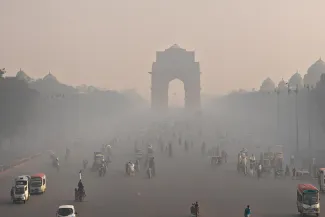
NEW DELHI, India — There's a moment that comes to every traveler in Delhi: stepping off the plane into air so thick it coats your throat like a film. For years, that experience was seasonal, predictable, contained to the winter months when crop burning and cooler temperatures trapped pollutants close to the ground. In 2025, that moment never ended. Delhi recorded zero days of "good" air quality across the entire year, according to ABP Live, a grim milestone that signals the city's pollution crisis has moved from episodic inconvenience to permanent condition. This isn't a story about a bad winter or an unfortunate spike in particulate matter. This is about a fundamental shift in how one of the world's great cities functions, eats, breathes, and welcomes visitors. And for anyone planning travel to India's cultural and political heart, the implications run deeper than mask recommendations or air purifier rentals.

A Year Without Clean Air

By late December, the numbers painted an unambiguous picture. Of 353 days recorded in 2025, 110 were classified as "poor," 79 as "unhealthy," 52 as "severe," and 33 as "hazardous," according to ABP Live. Not a single day fell into the "good" category, the baseline where breathing outdoor air carries minimal health risk. The capital's health-risk indicator for the year remained firmly in the "extreme" category, a designation that speaks to both immediate danger and long-term consequences. What makes this particularly striking isn't just the data but what it represents: a city where the default condition is now respiratory distress. The occasional clear morning after monsoon rains has become a memory rather than an expectation. The cumulative exposure is reshaping public health outcomes at scale. Long-term pollution has cut life expectancy in Delhi by about 8.2 years, according to ABP Live, while hospitals report a 25 percent rise in respiratory and cardiac outpatient visits during severe pollution episodes.

Tourism in the Crosshairs

For the food-focused traveler, the street vendor, the restaurateur, and the tourism sector at large, this is no longer a background issue. Delhi's reputation as a culinary capital, a place where Mughlai heritage meets contemporary innovation and where hawker culture thrives alongside Michelin aspirations, now competes with its reputation as one of the world's most polluted cities. That competition is not going well. The sensory experience that defines great food travel, whether it's the sizzle of kebabs at Jama Masjid or the aromatic chaos of Chandni Chowk's spice lanes, is now mediated by masks, air quality apps, and genuine concern about what prolonged exposure might mean. Travelers accustomed to walking neighborhoods, eating outdoors, and spending hours exploring markets are instead calculating indoor routes and abbreviated itineraries. This affects everyone in the food ecosystem. Street vendors see fewer lingering customers. Open-air restaurants struggle to fill tables during peak pollution days. Food tours, which rely on leisurely walks between stops, are forced to compress routes or move indoors. The spontaneous energy that makes a city like Delhi magnetic to travelers is dulled by the simple act of breathing.

The Expat and Resident Calculus

Living in or relocating to Delhi has always required a particular tolerance for urban intensity. That calculus has shifted. Expats, digital nomads, and even local professionals are increasingly factoring air quality into decisions about where to base themselves in India. Bangalore, Hyderabad, and even Mumbai, each with their own environmental challenges, begin to look more viable when the alternative is year-round respiratory risk. For those who stay, the lifestyle adjustments are significant. Indoor air purifiers become non-negotiable. Morning runs shift to gyms. Outdoor dining, one of the great pleasures of subcontinental life, becomes seasonal at best. Children's activities move indoors. The rhythm of daily life bends around pollution forecasts.

What This Means for Travelers

Delhi remains essential. Its historical sites, culinary depth, and cultural vitality cannot be replicated elsewhere. But planning a trip now requires a different kind of preparation. Travelers should expect to spend more time indoors than they might have a decade ago. High-quality masks are not optional. Accommodation with effective air filtration is worth the premium. Itineraries benefit from flexibility, allowing for adjustments based on real-time air quality data. The food scene, remarkably, continues to innovate. Chefs are adapting, investing in enclosed dining spaces with advanced ventilation, creating tasting menus that emphasize controlled environments over open kitchens. The street food culture persists, though increasingly it's locals rather than tourists who brave the worst days. Delivery culture has exploded, not just out of convenience but necessity.

A Crisis Beyond Season

What 2025 made undeniable is that Delhi's pollution is no longer a winter story. It's a year-round structural crisis with cascading effects on health, economy, and the city's global standing. For travelers, that means approaching Delhi with both realism and appreciation. The city's culinary and cultural offerings remain extraordinary. But they now exist within a context that demands acknowledgment, preparation, and honest assessment of personal health priorities. The question facing Delhi isn't whether it can weather another polluted winter. It's whether it can remain a viable destination, a livable city, and a place where the simple act of eating outdoors doesn't come with a health warning. In 2025, the answer to that question became harder to avoid.