
Rome Charges Tourists €2 to View Trevi Fountain

ROME, Italy — The Eternal City debuts ticketed access to its most famous fountain, balancing preservation with public access as overtourism reshapes urban heritage sites.

By James Anthony 5 min read
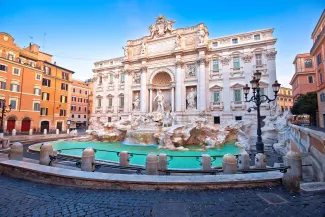
Rome Introduces €2 Fee for Trevi Fountain Access

ROME, Italy — The coins thrown into the Trevi Fountain will soon cost more than wishes. Starting February 1, 2026, Rome will charge tourists €2 to access the recessed edge of the Baroque masterpiece, transforming one of the city's most democratic public spaces into a ticketed attraction. The move marks a significant shift in how European capitals manage their most photographed landmarks, balancing preservation against the pressures of mass tourism. The announcement on December 19, 2025, clarifies that the fountain itself, nestled in its compact piazza, will remain visible from a distance at no cost. But the closer vantage point, where millions jostle annually for that perfect coin-toss shot or wedding proposal backdrop, becomes a controlled, paid zone.

What the Ticket System Changes

The implementation reshapes visitor flow at one of Rome's tightest tourist bottlenecks. The fountain's recessed edge, where travelers traditionally crowd shoulder-to-shoulder for photographs and ritual coin throws, will be exclusively for ticket holders, according to Travel EINNews. The broader square surrounding the fountain maintains its status as public space, preserving free views for those content to admire Nicola Salvi's 18th-century theatrical spectacle from behind the new access barrier. This dual-tier system attempts something rarely seen in urban heritage management: monetizing proximity without entirely privatizing experience. It's a calculated gamble that architectural tourism can absorb stratification, that travelers will accept paying for the Instagram angle while casual strollers retain their traditional relationship with the cityscape. The €2 price point sits deliberately low, positioned as crowd control rather than revenue generation. It's less than a cappuccino at the bars ringing the piazza, a nominal friction designed to thin crowds rather than exclude budget travelers. The model resembles Venice's recent day-tripper fee more than museum admission, acknowledging that managing volume matters more than maximizing income.

The Scale of Overtourism at Rome's Icons

The numbers justify the intervention. Between January 1 and December 8, 2025, approximately nine million tourists visited the Trevi Fountain area, according to Travel EINNews. That averages roughly 26,000 visitors daily to a space originally designed for neighborhood foot traffic and the occasional Grand Tour pilgrim. The fountain's intimate piazza, hemmed by gelato shops and narrow vicoli, wasn't engineered for selfie-stick density or tour group logistics. The February launch positions Trevi as the flagship of broader ticketing expansion. Officials announced that six sites across the Italian capital will adopt paid entry systems simultaneously, suggesting a coordinated strategy rather than isolated experimentation. While the other five locations weren't specified in initial announcements, the bundled rollout signals City Hall's intention to systematically address pressure points across Rome's centro storico.

Lessons from European Precedents

Rome joins a growing roster of European cities testing financial friction as crowd management. Venice's controversial day-tripper tax launched earlier in 2025, Barcelona continues debating tourist limits in Gaudí attractions, and Amsterdam restricts cruise ship arrivals. The pattern reflects a post-pandemic reckoning: popular cities recognizing that unlimited access to finite spaces degrades both visitor experience and local quality of life. The Trevi model offers refinement over Venice's blunter citywide fee. By focusing on hyper-concentrated pressure points rather than broad entry taxes, Rome maintains its identity as an accessible walking city while protecting specific heritage assets. The strategy acknowledges that overtourism isn't evenly distributed; it clusters around a handful of must-see landmarks that become victims of their own iconography.

What Travelers Should Expect

Implementation details remain forthcoming, but the system will likely resemble timed entry slots common at museums. Expect advance booking options, possibly through Rome's tourism portal, with limited walk-up availability. The logistics matter: Will tickets sell out days ahead during peak season? Can you reserve multiple time slots across the six sites? Does the €2 include a specific duration at the fountain edge, or simply one-time access? Smart travelers will adjust expectations and strategies. February through April traditionally sees lighter crowds than summer's peak chaos, offering a grace period to test the system before high season stress tests capacity. Early morning slots will likely offer the most breathing room, replicating the long-standing advice for visiting the Pantheon or Spanish Steps before tour buses arrive. The ticketing system paradoxically might enhance the experience for those who pay. Controlled access should thin the scrum enough to actually photograph the fountain without elbows in frame, to hear the water cascade without multilingual din overwhelming the acoustics. If the fee delivers space to appreciate Salvi's sculptural drama of Oceanus and his horses, it functions less as tourist tax than crowd curation.

The Broader Urban Tourism Equation

Rome's decision reflects urban tourism's central tension: cities need visitor revenue but risk being loved to dysfunction. The Trevi Fountain generates enormous economic value for surrounding businesses while straining infrastructure and resident patience. The €2 fee won't solve that equation alone, but it acknowledges that unmanaged access isn't sustainable cultural stewardship. The February rollout positions Rome as laboratory rather than laggard, testing whether gentle financial barriers can reshape behavior at individual landmarks without dampening the city's overall appeal. If successful, expect replication at other pressure points: the Pantheon's portico, the Spanish Steps, perhaps even viewing platforms for sunset over the Forum. The Eternal City adapts once again, proving that preservation and access can coexist with careful calibration. Just bring €2, book ahead, and prepare for a less crowded coin toss.