Tokyo Proves Some Tourist Destinations Earn Their Reputation
TOKYO, Japan — There's a peculiar ritual many travelers perform before visiting hyped destinations: the preemptive lowering of expectations. It's a self-protective measure, a way to insulate yourself from potential disappointment when reality collides with Instagram-filtered fantasies. But some places refuse to cooperate with this defensive strategy. Tokyo is one of them.
In a recent discussion about overrated tourist destinations that actually deliver, one traveler's experience crystallized what many food-focused explorers eventually discover about Japan's capital and its surrounding regions. The honest admission reveals both the weight of expectation and the rare satisfaction of having those expectations met, then exceeded.
When Hype Meets Reality in Japan
"Tokyo, for sure," said Carefree_Highway, according to Travel. The simple declaration opened the door to a more detailed confession about the psychological preparation that preceded the journey.
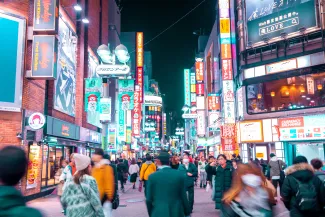
"I was gonna say, before I went to Japan, I was trying to lower my expectations and tell myself, 'Chill out. There's no way it's as cool as you're thinking.' Turns out, it was as cool as I'd always hoped. Up north, you have these amazing historic castles and gorgeous cherry trees, while in Tokyo proper, you have hot springs, amazing food, and scenery straight out of a Persona game. And everyone was so polite!" said SorryComplaint4209, according to Travel.
This sentiment strikes a chord with anyone who has spent time living in or extensively exploring Asia. Tokyo occupies an unusual position in the travel consciousness: simultaneously overhyped and somehow still underestimated. The city's reputation precedes it so aggressively that many visitors arrive braced for disappointment, only to find their cynicism dissolved by the actual experience.
The Food Culture That Validates Every Expectation
The mention of "amazing food" barely scratches the surface of what makes Tokyo's culinary landscape genuinely exceptional. This is a city where you can eat at a different restaurant every day for a year and still only glimpse a fraction of what's available. The depth isn't just in the Michelin-starred establishments, though Tokyo boasts more of those than any other city in the world. It's in the standing soba shops near train stations, the yakitori joints tucked under railway arches, the depachika food halls in department store basements where presentation reaches an art form.
What separates Tokyo's food scene from other major culinary capitals is the relentless commitment to craft at every price point. A ¥800 bowl of ramen receives the same meticulous attention as a ¥30,000 kaiseki meal. The curry rice at a neighborhood shokudo is prepared with genuine care. This isn't performative; it's cultural.
For travelers who plan trips around meals and seek authentic dining experiences, Tokyo delivers layers of discovery. The city rewards curiosity and repeat visits. That izakaya you stumbled into on your first night becomes a baseline for understanding how different the next one will be. The regional variations in preparation, the seasonal adjustments to menus, the chef who remembers your preferences on the third visit, these details accumulate into something that transcends typical tourist experiences.
Beyond the Urban Core
The observation about historic castles and cherry trees in northern regions points to an important truth about experiencing Japan: Tokyo serves as an exceptional base, but the surrounding areas provide essential context. The castles of Matsumoto and Kanazawa, the onsen towns of Hakone and Nikko, the rural landscapes that shift dramatically with seasons, these destinations complement rather than compete with Tokyo's urban intensity.
The cherry blossom phenomenon, so heavily photographed it risks becoming cliché, genuinely deserves its reputation. Standing beneath blooming sakura trees in Ueno Park or along the Meguro River creates a sensory experience that photographs fail to capture fully. The petals falling like snow, the way entire neighborhoods gather for hanami parties, the brief window when the entire country synchronizes around this fleeting natural event; it's communal and ephemeral in ways that feel increasingly rare.
The Politeness That Shapes Daily Rhythms
The comment about everyone being "so polite" touches on something that profoundly affects the experience of being in Japan, especially for expats and long-term visitors. The cultural emphasis on consideration, on minimizing disruption to others, creates an urban environment that functions with remarkable smoothness despite its density.
This isn't superficial courtesy. It's embedded in daily interactions, in the way people queue for trains, in the hushed conversations in restaurants, in the care taken with packaging and presentation. For food-focused travelers, this manifests in dining experiences where service is attentive without being intrusive, where meals progress at a natural rhythm, where the relationship between diner and chef or server operates on mutual respect.
Why Tokyo Earns Its Hype
The honest assessment that Tokyo lived up to carefully managed expectations speaks to destinations that deliver substance behind their publicity. The city doesn't rely on a single landmark or experience. Instead, it offers depth: neighborhood after neighborhood with distinct character, culinary traditions that span centuries while embracing innovation, seasonal changes that transform the city's appearance and available ingredients.
For travelers seeking cultural immersion rather than surface-level tourism, Tokyo provides endless entry points. The city rewards those who venture beyond Shibuya Crossing and Senso-ji Temple, though even those heavily visited sites maintain their power to impress. It's a destination where lowering expectations proves unnecessary because the reality withstands scrutiny.