
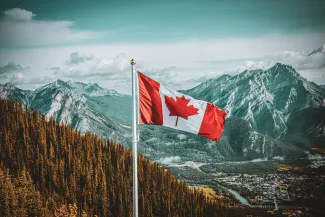
TORONTO, Canada — US Restrictions Leave Canadian Pathway Unaffected
Nigerian nationals face significant new barriers to US entry beginning January 1, 2026, but Canada's immigration system continues to operate without similar restrictions, according to Travel. The contrast highlights a widening gap between North American immigration approaches as one nation tightens access while its northern neighbor maintains established pathways. The US restrictions will bar Nigerian nationals from obtaining immigrant visas and several categories of nonimmigrant visas, including B-1/B-2 visitor and business visas, and F, M, and J student and exchange visas, according to Travel. Other nonimmigrant visa categories will face additional restrictions, such as reduced validity periods. Canada takes a different approach, maintaining what Travel describes as an "individual-centric immigration system" that continues processing applications from Nigerian nationals across study, work, and permanent residency streams.Practical Implications for Nigerian Travelers and Migrants
The timing matters for Nigerians planning North American travel or relocation in 2025 and beyond. With US doors closing on multiple visa categories in weeks, Canada represents the sole remaining major North American destination for Nigerian students, workers, and immigrants pursuing established legal pathways. The US suspension affects some of the most commonly used visa categories. B-1/B-2 visas cover both business travel and tourism, while F, M, and J visas facilitate academic study and cultural exchange programs. The loss of access to these categories eliminates routes for Nigerian nationals seeking short-term US visits, university enrollment, or professional training opportunities. Canada's continued processing of Nigerian applications spans multiple immigration streams. Study permits remain available for students accepted to Canadian universities and colleges. Work permits continue for skilled workers with job offers or qualifying under specific programs. Permanent residency applications proceed through economic immigration programs, family sponsorship, and refugee pathways.What This Means for Travel Planning
Nigerian travelers and prospective immigrants now face a binary choice for North American destinations. The US market, previously accessible through multiple visa categories, closes almost entirely. Canada remains open but operates with different requirements, processing times, and eligibility criteria. For students, the shift eliminates US university options unless they hold visa categories unaffected by the restrictions. Canadian institutions become the default North American choice, potentially increasing application volumes to Canadian universities as Nigerian students redirect their plans. Business travelers lose B-1 visa access to the US, complicating corporate travel, conference attendance, and cross-border commercial relationships. Canadian alternatives exist through visitor visa and business travel categories, but require separate applications and meet different standards. Tourism patterns shift as well. Nigerian nationals planning North American vacations after January 1, 2026 can no longer access US destinations without qualifying for unrestricted nonimmigrant visa categories. Canada's tourism infrastructure, from Vancouver to the Maritimes, becomes the primary North American option.Geopolitical Context and Immigration Policy Divergence
The US restrictions reflect broader policy shifts that affect specific nationalities through visa suspensions and limitations. Nigeria joins a handful of countries facing categorical restrictions on certain visa types, measures typically tied to diplomatic tensions, security assessments, or reciprocity disputes. Canada's approach maintains country-agnostic eligibility criteria focused on individual applicants rather than nationality-based restrictions. This difference creates starkly different outcomes for travelers from affected countries, who retain access to one North American nation while losing it in the other. Immigration attorneys, education consultants, and migration advisors working with Nigerian clients now counsel exclusively on Canadian pathways when discussing North American options. The complexity of US visa categories that remain available, combined with reduced validity periods for others, makes US applications less viable for most Nigerian nationals.Looking Ahead: What Nigerian Applicants Should Know
Current visa holders should verify their existing US visa validity and expiration dates. Those with valid visas issued before January 1, 2026 should confirm whether their visa category falls under the restrictions and whether existing documentation remains honored after the implementation date. For those planning Canadian applications, preparation matters. Study permit applications require acceptance letters from designated learning institutions, proof of funds, and biometric data. Work permits depend on job offers, labor market assessments, or qualification under specific streams like intra-company transfers or international agreements. Permanent residency pathways involve points-based systems, language testing, credential assessments, and medical examinations. Processing times vary by program and application volume. Current processing standards provide rough guidance, but increased demand from applicants redirecting from US pathways could extend wait times across certain categories. The January 2026 implementation date gives affected travelers minimal time to adjust plans or pursue alternative pathways. Those with pending US applications should evaluate whether their cases will process before restrictions take effect, and whether Canadian alternatives better serve their objectives. Canada's immigration infrastructure handles applications from around the globe, including significant volumes from Nigeria. The system's capacity to absorb additional demand while maintaining processing standards and timelines remains a practical consideration for applicants planning 2026 travel or relocation.About the Author

Jeff Colhoun
Jeff Colhoun is an acclaimed travel writer, photographer, and filmmaker, whose work is respected both in the United States and internationally.