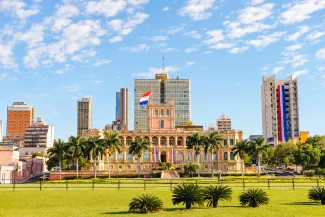
CAAPUCÚ, Paraguay — There's a certain kind of traveler who's bored of checking boxes. You know the type: they've done the hostels, the waterfalls, the UNESCO sites, and now they want something that feels less like a tour and more like actual life. Enter Caapucú, a colonial farming district in southern Paraguay that's quietly positioning itself as the anti-Encarnación with a project called "Explora Farmer."
I'll be honest: when I first heard about a tourism initiative centered on農 farming experiences, I pictured staged photo ops with tractors and overpriced "authentic" lunches. But what's happening in Caapucú feels different, mostly because it's not trying to be something it's not. This is a place that's been agricultural since 1787, a landscape of colonial architecture and actual working farms, now packaging that reality into something travelers can participate in rather than just observe.
Rural Tourism Gets Real in Southern Paraguay
The historic district of Caapucú in the Department of Paraguarí is advancing its position as one of the new hubs of rural, cultural, and productive tourism in southern Paraguay apart from Encarnación, according to Travel EIN News. The city is getting support from the National Tourism Secretariat (Senatur), local community, and private sector through innovative initiatives that combine history, nature, and authentic experiences, among which the new "Explora Farmer" programme stands out.
What makes this worth paying attention to is the structure behind it. This isn't some Instagram-friendly agritourism popup that'll vanish when the funding dries up. Senatur's involvement suggests infrastructure upgrades, safety protocols, and integration into national travel routes. The local government and private sector are in too, which means restaurants, accommodations, and transportation networks are getting aligned to actually support this thing long term.
For travelers tired of the Asunción-to-Iguazú Falls circuit, Caapucú offers something genuinely different: the chance to get your hands dirty in a place that's been farming land along the Tebicuary River for over two centuries.
What "Explora Farmer" Actually Means
The program invites tourists to explore and experience farmer life through hands-on activities, emphasizing authenticity over commercial attractions for modern travelers seeking sustainable, educational rural eco-tourism. Think harvesting crops, understanding irrigation systems, learning food preservation techniques from people who've been doing it their entire lives. It's the kind of slow travel that appeals to digital nomads burning out on coworking spaces and backpackers who've realized that twenty-four-hour bus rides only feel romantic in retrospect.
This is grassroots economic development disguised as a tourism project. By packaging the city's land, traditions, and people into experiences, the benefits flow directly to residents rather than disappearing into the pockets of tour operators based three countries away. It's the kind of model that actually works when you're trying to keep young people from migrating to cities, when you're trying to prove that rural life can sustain itself without sacrificing everything to industrial agriculture.
Caapucú's colonial housing stock, including the castle-like Stevant house that now functions as a museum, provides the historical backbone. But the real draw is participatory: sleeping in family-run accommodations, eating meals made from what you helped pick that morning, understanding the rhythms of a place where seasons actually matter.
Beyond the Farm Gates
The district isn't just farms and colonial architecture. Municipal Square "Punta Arenas" sits on the riverbank, offering views and access to the Tebicuary River that separates Caapucú from Misiones Department. About eight kilometers out, the Santa Clara estate provides another historical touchpoint. For travelers who need some wildness between cultural immersion, there are streams for cooling off and Laguna Verá for fishing, boating, and camping.
It's the combination that makes this work: enough structure to feel safe and accessible, enough authenticity to feel like you're actually learning something, enough variety to prevent the restlessness that sets in when you're stuck in one mode too long.
Why This Matters for Independent Travelers
Paraguay doesn't show up on many backpacker itineraries, which is exactly why some of us are interested. It's not on the gringo trail. It doesn't have the infrastructure tourism of Peru or the beach scene of Brazil. What it does have, increasingly, is initiatives like this that offer alternatives to the extractive tourism model where communities perform culture for tips.
The "Explora Farmer" program represents a shift in how rural destinations think about tourism: not as a way to become something else, but as a way to share what already exists in a manner that's economically viable. For travelers, it's a chance to contribute to local economies in a way that feels reciprocal rather than transactional.
This is particularly relevant for the long-term travel crowd, the people who are tired of feeling like spectators in other people's lives. Working on a farm for a few days or a week creates relationships that hostel common rooms rarely do. You learn skills. You contribute labor. You leave with calluses and a better understanding of where food actually comes from, which sounds cheesy until you've spent months eating hostel pasta and street vendor empanadas without thinking about the hands that grew the wheat.
Caapucú won't be for everyone. If you need constant stimulation, if you can't handle bugs or early mornings, if the idea of physical labor on vacation sounds insane, this isn't your destination. But if you're looking for travel that feels substantive, that connects you to place and people in ways that matter beyond your photo gallery, southern Paraguay just got a lot more interesting.