
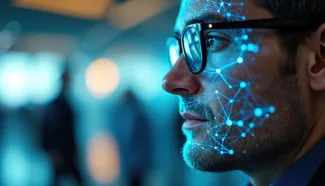
WASHINGTON, D.C. — A sweeping facial recognition mandate for every noncitizen entering or leaving the United States took effect Saturday, December 26, landing squarely in the middle of one of the busiest travel periods of the year. The policy affects green card holders, visa holders, and foreign nationals at every port of entry, from major international hubs to land crossings and seaports. The timing is critical. The Transportation Security Administration estimates more than 44 million travelers will pass through airports between December 19 and January 4, according to Travel.einnews.com. That includes a significant volume of noncitizens navigating customs, immigration, and now, mandatory biometric collection at both arrival and departure.
What Changed on December 26
The Department of Homeland Security says the measure is designed to curb visa fraud and identify criminals, according to Travel.einnews.com. While DHS already utilizes biometric facial comparison technology at 238 airports to process incoming travelers, the new policy formalizes and expands that framework, making it no longer voluntary or situational but universal and mandatory. This is not about U.S. citizens. American passport holders are still exempt from biometric exit screening at airports, though they've long been photographed on entry. But for the millions of noncitizens who live, work, study, or visit the U.S., the shift is absolute. No exemptions. No opt-outs. Every entry. Every exit.
Who This Affects
This policy reaches far beyond tourists on short-term visas. Lawful permanent residents, commonly known as green card holders, are now included in mandatory biometric exit screening. That means millions of people who call the U.S. home, who have lived here for years or decades, are now subject to the same surveillance infrastructure as first-time visitors or temporary work visa holders. For international business travelers, foreign journalists, students, and seasonal workers, this becomes part of the routine. For photographers, expedition leaders, and global mobility professionals crossing borders frequently, it adds another layer to an already dense process. The rollout affects all points of entry and exit: international airports, land border crossings with Canada and Mexico, and seaports. The infrastructure varies widely. Major hubs like JFK, LAX, and Miami International have had facial recognition tech in place for years. Smaller regional airports, rural land crossings, and cruise terminals are catching up.
Operational Reality on the Ground
Biometric screening is fast when it works. A photo is captured at the inspection booth, matched against passport or visa records, and processed in seconds. But during peak travel surges, with 44 million people moving through the system in a two-week window, even small delays multiply. At land borders, where vehicle throughput is already strained during holiday weekends, adding biometric exit checks could slow secondary inspections. At cruise terminals, where passenger processing can bottleneck during embarkation, the mandate introduces another verification step before boarding. The technology itself is mature. CBP has been refining facial recognition systems since 2017. Accuracy rates are high for most travelers, though lighting conditions, photo quality, and physical changes since a passport photo was taken can still flag mismatches requiring manual review.
Privacy and Oversight Concerns
The policy has drawn pushback. According to Travel.einnews.com, 49 lawmakers, including Alexandria Ocasio-Cortez and Jasmine Crockett, have raised concerns. Congresswoman Yvette D. Clarke is among those publicly questioning the scope and oversight of the program. Critics focus on data retention, algorithmic bias, and the lack of clear limits on how biometric information is stored, shared, or used beyond immediate border control functions. DHS maintains the data is used solely for identity verification and security screening, but the scale and permanence of the collection raise questions about long-term database management and access. For travelers, the immediate concern is less philosophical and more practical: what happens if the system flags an error? What recourse exists for misidentification? How does this affect re-entry timelines for legal residents who travel frequently?
What Travelers Should Expect
If you're a noncitizen traveling through a U.S. port of entry, expect facial recognition screening at primary inspection. Officers will capture your image, compare it to your travel documents, and clear you for entry or refer you to secondary if there's a mismatch or additional questions. On exit, the process happens at the departure gate for international flights. Airlines and CBP have integrated biometric boarding at most major carriers. You'll be photographed before boarding; no boarding pass scan required in many cases. The image is matched to your outbound manifest and passport record. At land borders, expect the process at the booth. Officers may request you remove glasses or adjust positioning for a clear capture. Processing times will vary depending on traffic volume and staffing levels.
Looking Ahead
This is the new baseline. The policy is not a pilot program or a temporary security measure tied to a specific threat. It's a formal, codified requirement that shifts biometric exit screening from optional to universal for all noncitizens. For expedition travelers heading to polar regions via U.S. gateway cities, for cruise passengers embarking from Florida or Alaska, for green card holders returning from family visits abroad, the mandate is now embedded in the travel process. It's fast, it's mandatory, and it's permanent. The real test will be how the system scales under sustained high-volume periods and whether oversight mechanisms keep pace with the data infrastructure now tracking every noncitizen entry and exit across the country.
About the Author

Jennifer Wilmington
Jennifer Wilmington is a distinctive voice in the world of family and luxury travel, offering unique perspectives derived from her diverse background and experiences.