
What Happened in the Channel Tunnel?
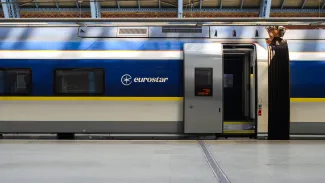
The disruption stemmed from what officials diplomatically called a "technical intervention" in the Channel Tunnel itself. Power problems cropped up, and a train got stuck in the undersea passage that connects the UK to France. That's the kind of double whammy that brings an entire rail system to its knees. Eurostar, the passenger train operator that's been shuttling travelers between London and cities like Paris, Amsterdam, and Brussels for decades, had no choice but to suspend services indefinitely. When the tunnel's not working, there's no alternative route; you're either going through or you're not going at all.Holiday Travel Chaos
The timing couldn't have been worse. December 30 sits right in that sweet spot between Christmas and New Year's, when people are either heading home after the holidays or trying to make the most of their time off before returning to work. The Channel Tunnel sees heavy traffic during this period under normal circumstances. Add a power failure and a stuck train to the mix, and you've got a recipe for serious travel chaos. For passengers caught in the disruption, it meant scrambling for alternatives. Flights, if you could find them. Ferries across the Channel, if the weather cooperated and you didn't mind a longer journey. Or just waiting it out and hoping Eurostar could sort things quickly. None of those options are ideal when you've got plans, reservations, and possibly connecting travel to worry about.The Channel Tunnel's Vulnerability
Here's the thing about the Channel Tunnel: it's an engineering marvel, sure, but it's also a single point of failure for rail travel between the UK and Europe. When something goes wrong down there, 31 miles beneath the seabed, there's no easy workaround. You can't just reroute trains through a different tunnel or take a detour. Power issues are particularly problematic because the entire operation depends on electrical systems; trains, ventilation, lighting, communications, all of it. Throw in a stuck train, and you've got a situation that requires careful, methodical troubleshooting before normal operations can resume. Safety protocols don't leave much room for shortcuts.What This Means for Travelers
If there's a lesson here, it's that even the most reliable transportation systems can hit a wall. Eurostar is generally a solid choice for cross-Channel travel; it's fast, relatively comfortable, and beats dealing with airport security. But when it goes down, it really goes down. For anyone planning similar trips in the future, this is a good reminder to build some flexibility into your itinerary when possible. Travel insurance that covers delays might not be a bad idea either, especially during peak periods. And if you're traveling during the holidays, maybe don't book everything back-to-back with zero margin for error.The Ripple Effect
Beyond individual travelers, disruptions like this one have broader impacts. Freight services through the tunnel can be affected, which means delays for goods moving between the UK and Europe. Business travelers miss meetings. Families miss reunions. Hotels and restaurants on both sides of the Channel deal with no-shows and last-minute cancellations. It's a reminder of just how interconnected modern travel is, and how quickly things can unravel when a critical link in the chain breaks down.Moving Forward
As of the suspension, there was no clear timeline for when services would resume. "Technical intervention" is one of those phrases that could mean a few hours or a few days, depending on what engineers found when they started digging into the problem. For travelers caught in the mess, the best bet was to stay in touch with Eurostar directly and keep an eye on official updates. This wasn't the kind of situation where things would suddenly get back to normal without warning. The Channel Tunnel will get fixed; it always does. But for the passengers who got caught in this particular disruption during the 2025 holiday season, it was a frustrating reminder that even the best-laid travel plans can go sideways when the infrastructure decides not to cooperate.About the Author

Bob Vidra
Bob Vidra, based in scenic Tahoe, is an esteemed tech editor known for his deep understanding of the dynamic intersection of technology, travel, and the outdoors.