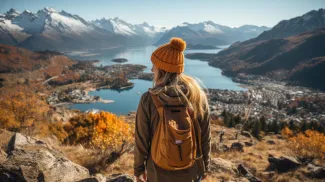
PATAGONIA, Chile/Argentina — There's a particular kind of traveler who hears "Patagonia" and immediately starts calculating how many months they'll need to work a ski season to afford it. I've been that person. Most backpackers assume the region's dramatic landscapes come with a price tag that requires either sponsored Instagram posts or a trust fund, but a new comprehensive travel guide is flipping that script.
Jason Hollinger recently published an ultimate travel guide for budget backpacking in Patagonia, targeting the 2026 travel season and positioning the southern stretches of Chile and Argentina as not just accessible, but essential for anyone serious about adventure travel in South America. And he's throwing out a number that actually makes sense for hostel dwellers and long-term nomads: around $50 USD per day or less.
Why Patagonia Has Become Unmissable
The guide emphasizes something that seasoned South America travelers already know: Patagonia has rapidly transformed into an unmissable destination. This isn't the hidden gem that only hardcore trekkers whispered about anymore. The region has developed a well-established network of hiking routes that rivals anything in Europe or North America, except the scale here is wilder, emptier, and frankly more intimidating in the best possible way.
What distinguishes Patagonia from much of the rest of the continent is its infrastructure. While other remote South American destinations might leave you white-knuckling it on chicken buses or negotiating sketchy trail access, Patagonia has built itself into a legitimate adventure travel hub. The guide acknowledges this evolution, making it clear that the region now offers backpackers the rare combination of genuine wilderness and logistical sanity.
The Real Budget Breakdown
Let's talk about that $50 USD daily budget, because that's the figure that matters when you're already three months into a trip and watching your savings account like it's a ticking time bomb. According to the guide, this estimate isn't aspirational. It's achievable, even in a region that has a reputation for bleeding wallets dry.
Fifty dollars a day in Patagonia means making choices. It means hostel dorms, not boutique lodges. It means cooking pasta on a camp stove instead of sampling every parrilla in town. It means bus rides over domestic flights. But here's what matters: it's doable. For digital nomads trying to balance remote work with exploration, or solo travelers stretching funds across multiple countries, that number transforms Patagonia from a "someday" destination into a "this year" reality.
What The Guide Delivers
Hollinger's guide positions itself as comprehensive, covering the practical essentials that make or break a backpacking trip. While specific details weren't fully disclosed, the focus appears to be on demystifying budget travel in a region that intimidates newcomers. The southern territories of Chile and Argentina span massive distances, wildly variable weather, and logistical challenges that can derail unprepared travelers.
The timing of a 2026-focused guide is smart. It gives travelers enough runway to plan, save, and book flights during shoulder season when prices drop. Patagonia's tourism infrastructure continues expanding, with more hostels, budget accommodations, and transport options appearing each season. Getting ahead of the curve means accessing better deals and avoiding the shoulder-to-shoulder crowds that now plague places like Torres del Paine during peak summer months.
The Patagonia Everyone Needs To Experience
There's something profoundly clarifying about Patagonia that you don't get from other backpacking circuits. Maybe it's the wind that literally knocks you sideways on exposed trails. Maybe it's the scale of the mountains that makes you feel appropriately insignificant. Maybe it's just that after enough time bouncing between hostel bars and bus terminals across South America, you need landscape that shuts you up and makes you pay attention.
Hollinger's guide arrives at a moment when budget travel information is simultaneously everywhere and nowhere. Sure, you can cobble together advice from blog posts and Reddit threads, but comprehensive, focused resources that actually understand the backpacker mentality remain surprisingly rare. A guide that treats $50 daily budgets as legitimate rather than punishing shows an understanding of how most long-term travelers actually move through the world.
Planning For 2026
For anyone eyeing Patagonia for 2026, this guide offers a starting point grounded in budget reality rather than Instagram fantasy. The region's appeal continues growing, but it hasn't completely lost its edge to overtourism yet. Getting there before that balance shifts further makes sense, especially for travelers who want the trails without the selfie queues.
The southern stretches of Chile and Argentina represent what brought many of us to backpacking in the first place: legitimate adventure, landscapes that dwarf human drama, and the satisfaction of pulling off something challenging on limited funds. Hollinger's guide recognizes that combination and builds a roadmap for travelers ready to make it happen without waiting for circumstances that might never arrive.
Sometimes the best travel advice is just permission to go.