
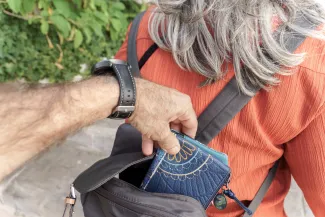
WASHINGTON — Just as Americans begin mapping out December trips in search of warm beaches and festive cities, the U.S. State Department has refreshed its warnings for several perennial favorites. The latest round of embassy security alerts—issued in the last week of November—spotlights rising crime in Mexico and Costa Rica and forecasted labor turbulence and demonstrations in Belgium, Italy and the Philippines. Below is a destination-by-destination breakdown of what travelers need to know before packing their bags, along with practical tips for mitigating risk abroad.
Why the State Department Travel Advisory System Matters
The State Department assigns each country one of four numerical levels—Level 1 (“Exercise Normal Precautions”) through Level 4 (“Do Not Travel”). These broad advisories are updated periodically, but U.S. embassies can—and often do—add timely security alerts when local conditions change. In November, no new countries were moved to Level 4, yet embassy cables flagged fresh, location-specific concerns that may affect anyone headed overseas in the coming weeks.
Mexico: Highway Robberies and Tourist-Zone Violence
Mexico remains the single largest outbound market for U.S. vacationers, thanks to its cruise ports, all-inclusive resorts and short flight times. The overall advisory for the country sits at Level 2, urging visitors to “exercise increased caution,” while several states—including Colima, Guerrero, Michoacán, Sinaloa, Tamaulipas and Zacatecas—carry higher warnings. On Nov. 26, the U.S. Embassy in Mexico City issued a Security Alert after armed robberies were reported along Highway 85D between Monterrey and Nuevo León. Criminals allegedly deployed dashboard sirens to mimic police vehicles before pulling over American drivers and stealing their belongings and cars. Beyond the highway corridor, officials stress that violent crime can erupt even in traditionally popular resort towns. The embassy’s winter-travel bulletin cited San Carlos, Puerto Peñasco (Rocky Point), Los Cabos and Mazatlán as places where homicide, kidnapping and carjacking have occurred. Tips for Travelers
- Opt for toll (cuota) roads during daylight and avoid isolated stretches of highway whenever possible.
- Confirm with your rental-car agency that the vehicle carries Mexican liability insurance; U.S. policies rarely apply south of the border.
- Monitor local news and push alerts from the Embassy’s @USEmbassyMEX feed for real-time updates.
- If confronted, do not resist; hand over valuables and move to a safe location before contacting authorities.
Costa Rica: Property Crime and Financial Extortion on the Rise
Costa Rica’s national mantra may be “Pura Vida,” but petty theft remains a stubborn issue, and violent episodes are edging upward. The U.S. Embassy in San José issued a countrywide Security Alert on Nov. 25 after gangs targeted foreign-owned businesses and vacation rentals. “Petty crime is common throughout Costa Rica. Violent crime also affects tourists,” the State Department said in its advisory statement. Victims have reported armed robbery, forced ATM withdrawals and bank-transfer extortion schemes. Travelers are advised to keep expensive jewelry and electronics out of sight, secure doors and windows—even in gated condos—and use well-lit, official taxi services after dark.
Philippines: Nationwide Demonstrations Linked to Anti-Corruption Movement
While the Philippines also carries a Level 2 advisory overall, several southern provinces—including the Sulu Archipelago and parts of Mindanao—remain under Level 4 (“Do Not Travel”) because of kidnapping and terrorism threats. On Nov. 30, the U.S. Embassy in Manila warned that rallies tied to the so-called Trillion Peso March could turn volatile. Demonstrations were planned at EDSA People Power Monument in Quezon City, Rizal (Luneta) Park in Manila and at 29 other sites across Luzon, Visayas and Mindanao. The caution is not unfounded: a previous protest at Mendiola Peace Arch on Sept. 21 left one person dead after clashes with police. If you plan to transit through Ninoy Aquino International Airport around these dates, budget extra time to contend with road closures and possible detours.
Belgium and Italy: Labor Strikes Snarl Air and Rail Networks
Europe’s winter of discontent is in full swing, and transport unions have chosen late November and December to press their demands. Belgium witnessed rolling strikes from Nov. 24–26 that shut down parts of Brussels’ public transport system and led to hundreds of flight cancellations on the 26th. Travelers connecting through Brussels Airport (BRU) should confirm their flight status and review re-booking options before arriving at the terminal. In Italy, an anti-government rally on Nov. 29 drew at least 100,000 demonstrators to central Rome, stretching from Piazzale Ostiense to Piazza di Porta San Giovanni. The action forced dozens of flights to be scrubbed and caused regional train delays. Similar actions could recur with little notice throughout December, particularly around holidays when ridership is high.
How to Minimize Disruption During European Strikes
- Book direct flights whenever possible; connections raise the likelihood of missed segments.
- Download local transit apps—such as SNCB/NMBS for Belgium and Trenitalia’s official app—to track last-minute schedule changes.
- Maintain flexible hotel reservations that allow for free date adjustments should your arrival shift.
- Consider travel insurance that covers “travel delay” or “missed connection” clauses, but read the fine print; labor strikes are sometimes excluded.
What Level 2 Really Means—and Why You Shouldn’t Panic
Level 2 alerts are a notch above normal caution but far from blanket bans. The State Department encourages travelers to stay informed, enroll in the Smart Traveler Enrollment Program (STEP) and develop contingency plans without necessarily scrapping itineraries altogether. In short, vigilance—rather than avoidance—is the message.
Frequently Asked Questions
Does my health insurance cover me abroad?
Most U.S. health plans—including Medicare—do not automatically extend overseas. Purchase supplemental international coverage or verify whether your policy has a rider for foreign travel.
Will my trip insurance pay out if I cancel because of demonstrations?
Policies differ. “Cancel for any reason” add-ons offer the broadest protection, typically reimbursing 50–75 percent of non-refundable costs, but they must be purchased within a set window after your initial deposit.
Are Mexico’s resort areas safer than its interior cities?
Statistics vary by state, and resort zones often enjoy heightened police presence. However, the recent alerts underscore that no area is exempt from crime. Practice the same situational awareness in Cancún or Los Cabos that you would in a large U.S. city.
Can I still drive the Renfe night train from Rome to Munich during strikes?
It depends on the exact strike schedule. Long-distance international services are sometimes shielded from national strikes but can still suffer delays. Check both Italian and German rail operators for synchronized notices.
Tactical Takeaways for December Travel
- Enroll in STEP: Doing so allows U.S. embassies to push real-time alerts to your phone and email.
- Keep paperwork handy: A printed itinerary, extra passport photos and duplicate IDs speed up re-issuance if bags are stolen.
- Layer your backups: Carry two credit cards and a small cache of local currency secured separately from your wallet.
- Stay low-profile: Avoid clothing or accessories that telegraph wealth or nationality, particularly during politically charged protests.
Bottom Line
Even amid heightened advisories, millions of Americans will safely enjoy Mexico’s beaches, Costa Rica’s rainforests and Europe’s Christmas markets this winter. The key is to monitor conditions up to—and throughout—your trip, remain adaptable and exercise the same street smarts you would at home. With preparation and prudence, the holiday season can stay merry and bright wherever your passport takes you.
About the Author

Bob Vidra
Bob Vidra, based in scenic Tahoe, is an esteemed tech editor known for his deep understanding of the dynamic intersection of technology, travel, and the outdoors.