
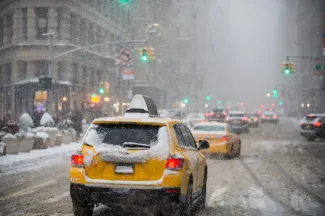
NEW YORK — Barely hours after Americans packed up Thanksgiving leftovers and headed home, forecasters sounded the alarm for a powerful winter blast that could upend the nation’s busiest travel week. The warning, aired Nov. 30, 2025 on NBC News, comes as millions funnel through New York and other major hubs in one of the densest travel periods of the year. A single disruptive storm can ripple across the aviation network, slow interstate highways and leave stranded travelers scrambling for options.
Forecast signals messy skies and roads
Details remain fluid, but national weather analysts interviewed by the network say the approaching system carries enough cold air and moisture to turn rain into heavy, wind-driven snow across multiple regions. Ice and sleet are also possible at lower elevations and along coastal corridors. While exact track and snowfall totals will become clearer closer to landfall, forecasters agree the timing—immediately after the holiday rush—could magnify the impact. NBC News summed up the concern in one on-air graphic that read, “Winter storm threatens post-holiday travel.” Even if the brunt of the storm concentrates on one region, flight crews and aircraft positioned around the country could end up out of place, triggering a cascade of cancellations elsewhere. Road travelers face their own set of hazards: slick pavement, poor visibility and the likelihood of spinouts or closures that turn a normally quick three-hour drive into an overnight ordeal.
Airlines brace for disruptions
U.S. carriers typically schedule extra capacity during Thanksgiving week, but winter weather remains the wild card. Airlines can proactively scrap flights to keep crews within federally mandated duty limits and prevent aircraft from being parked in unsafe conditions. That strategy, sometimes called a “pre-cancel,” protects safety yet leaves customers rebooking en masse. Most major airlines now offer fee-free changes if a winter storm warning is issued for departure or arrival airports, though exact rules differ. Travelers who bought basic economy tickets—products that usually prohibit changes—should carefully read weather waivers as these exceptions can open temporary flexibility windows. The best rebooking opportunities often sit within the first few hours after a waiver appears, before seats vanish. Frequent flier tip: if your flight is already marked delayed or canceled in the airline’s mobile app, you can often change to an earlier or later option without waiting for a text or email. Use the self-service tool first, then call if you need additional routings that the automated engine does not display.
What travelers can do now
No one can control Mother Nature, but smart planning reduces the chance a blizzard derails your itinerary. Here are proactive steps to take today:
- Build in buffer time. If possible, move flights a day earlier than the main rush or tack on a “flex night” at your destination hotel. The cost of an extra room can be cheaper than same-day rebooking fees, meals and missed connections.
- Monitor official alerts. Sign up for text messages from the National Weather Service and your airline. Alerts generally arrive faster than social-media chatter and include airport codes that align with booking systems.
- Prepare for power and data outages. Download boarding passes, hotel confirmations and rental-car barcodes into your phone’s wallet or an offline folder. Carry a fully charged power bank so you can keep scanning QR codes even if terminal outlets are taken.
- Pack a “storm kit.” Essentials include an empty refillable water bottle (to clear security), shelf-stable snacks, prescription medications, a small first-aid kit, and a change of clothes in your carry-on.
- Know your rights. U.S. airlines must provide refunds—not just vouchers—if they cancel your flight and you choose not to travel. However, they are not required to cover hotels or meals when weather is the cause. Travel insurance can fill that gap if purchased before the storm is named.
Ground game: highways, rail and rental cars
The post-Thanksgiving weekend often sees bumper-to-bumper traffic on Interstate arteries radiating from cities like New York, Boston, Chicago and Atlanta. Add blowing snow, and traffic engineers frequently impose speed reductions or implement rolling closures for plowing. Many state agencies also restrict high-profile vehicles—including RVs and trucks with empty trailers—when wind gusts exceed safe limits. Amtrak and regional rail lines can be more resilient to snowfall than aviation, yet ice accumulation on overhead wires or frozen track switches presents its own vulnerabilities. Check train status frequently; crews may swap diesel engines for electric units or shorten routes to avoid stranded equipment. Rental-car shortages that plagued earlier pandemic years have largely eased, but holiday spikes can still empty airport lots. If you plan to switch from air to pavement at the last minute, lock in a vehicle as early as possible and verify that winter tires or chains are allowed under the contract for mountain travel.
Tips for Travelers
- Stash digital backups. Photograph your driver’s license, passport and vaccine card. Email copies to yourself in case of wallet loss during a storm-related scramble.
- Layer strategically. A breathable base, insulating mid-layer and waterproof shell adjust to changing cabin, terminal and outdoor temperatures.
- Beat the rush at security. Airports sometimes open checkpoints earlier than usual when a storm approaches, hoping to process passengers who voluntarily arrive six or seven hours ahead.
- Keep cash handy. Power failures can knock out card readers at small-town gas stations or highway-side diners. A modest emergency fund—$100 broken into small bills—covers a meal and fuel until systems reboot.
- Share your live location. Apps like Google Maps and WhatsApp allow continuous tracking. Family can see if you are stuck on a closed interstate or creeping along backroads and alert authorities if necessary.
FAQ: Winter storm and your rights
Will my airline pay for a hotel if my flight is canceled because of weather?
No. Carriers cite “acts of God” for weather disruptions, relieving them of lodging obligations. Some loyalty credit cards, however, reimburse reasonable hotel and meal costs.
Can I claim compensation for delays?
European Union and Canadian regulations force payouts after lengthy delays, but U.S. law does not. In most cases you will receive a travel credit or be rolled to the next available flight.
How early should I arrive at the airport?
Under normal conditions, two hours for domestic and three for international is common guidance. During a severe winter event, double that buffer, especially at mega-hubs like John F. Kennedy International or O’Hare.
Is travel insurance worth it?
Policies that include “cancel for any reason” provide the widest latitude but must be purchased within days of the initial booking. Standard policies cover weather interruptions yet require proof—such as a flight-cancellation notice—to reimburse unused nights or non-refundable tours.
What happens if the airline rebooks me through a different city?
You retain your original class of service and baggage allowance. If the new connection adds an overnight layover, ask the gate agent to endorse the ticket for hotel and meal vouchers. They may oblige as a customer-service gesture even if not legally mandated.
While meteorologists refine track and intensity forecasts, travel professionals advise building flexibility into every itinerary between now and early December. Adjusting plans before the first snowflake falls, rather than from a crowded gate lounge, remains the surest way to safeguard your holiday memories—and sanity—against whatever the winter skies deliver.
About the Author

Bob Vidra
Bob Vidra, based in scenic Tahoe, is an esteemed tech editor known for his deep understanding of the dynamic intersection of technology, travel, and the outdoors.