
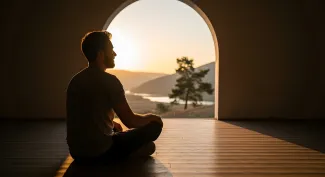
GLOBAL — The frenetic pace of checklist tourism is giving way to something more deliberate. As 2026 approaches, travelers are reconsidering not just where they go, but how they experience the journey itself, according to hospitality leaders observing a fundamental shift in travel behavior worldwide.
This transformation extends far beyond booking a massage or attending a yoga class. Wellness has evolved from a resort amenity into a comprehensive framework that influences every aspect of travel, from destination selection to daily rhythms. Decisions about wake times, breathing patterns, and even sunlight exposure are becoming integral components of trip planning.
The End of Destination Collecting
The compulsion to accumulate passport stamps and photographable moments is fading, replaced by an approach that prioritizes depth over breadth. Travelers are increasingly seeking experiences that resonate on a personal level rather than those that fulfill external expectations or social media narratives. This shift represents a significant departure from the tourism patterns that dominated the previous decade. The measure of a successful journey is no longer tied to the number of sites visited or experiences checked off a predetermined list. Instead, travelers are evaluating trips based on how they feel during and after their time away, whether they returned with a sense of restoration, and if the experience aligned with their personal values.Wellness as a Travel Philosophy
What hospitality leaders are witnessing goes beyond the integration of wellness programming into resort offerings. The concept has matured into a holistic philosophy that shapes how travelers approach every element of their journeys. This evolution reflects a more sophisticated understanding of well-being, one that recognizes the interconnection between physical environment, mental state, and the quality of experience. The conversation around travel wellness now encompasses factors that were previously considered peripheral. The timing of activities throughout the day, the quality of rest, the pace of exploration, and even environmental elements like natural light exposure are being consciously considered. Travelers are making more deliberate choices about how they spend their time, often opting for fewer activities with greater depth rather than packed itineraries.A Global Movement Toward Intentionality
This transition toward intentional travel is not confined to specific regions or demographics. Across continents, a quiet revolution is taking place, one marked by travelers who are choosing to slow down, stay longer, and engage more meaningfully with their destinations. The shift is observable in booking patterns, length of stays, and the types of experiences travelers seek. For families, this means reconsidering the traditional vacation structure. Rather than attempting to see everything a destination offers within a limited timeframe, parents are building in downtime, allowing for spontaneous discoveries, and recognizing that rest is as valuable as activity. The pressure to maximize every moment is being replaced by permission to simply be present.Implications for Luxury Travel
The luxury travel sector is responding to these evolving priorities by reimagining what elevated experiences look like. Properties are moving away from amenity arms races toward offerings that facilitate genuine restoration and personal connection. This might mean designing spaces that optimize natural light, creating programming that respects circadian rhythms, or simply providing the environment for travelers to disconnect and recalibrate. For travelers considering their 2026 journeys, this shift offers both permission and possibility. Permission to travel more slowly, to choose quality over quantity, and to define success on personal terms rather than external metrics. The possibility exists to craft journeys that not only provide a temporary escape but contribute to ongoing well-being.Planning with Intention
As this trend continues to reshape the travel landscape, several practical considerations emerge for those planning future trips. Selecting destinations becomes less about popularity and more about personal resonance. The question shifts from "Where should I go?" to "Where do I need to be right now?" Accommodation choices increasingly reflect these priorities, with travelers seeking properties that understand wellness as more than spa services. Look for places that consider environmental factors like natural light, air quality, and connection to outdoor spaces. Consider length of stay carefully; longer visits to fewer places often yield richer experiences than rapid movement between multiple destinations. The movement toward intentional, wellness-integrated travel represents more than a passing trend. It signals a fundamental recalibration of what we seek when we leave home and how we measure the value of our journeys. As 2026 unfolds, this approach promises to redefine not just how we travel, but why we choose to travel at all.About the Author

Jennifer Wilmington
Jennifer Wilmington is a distinctive voice in the world of family and luxury travel, offering unique perspectives derived from her diverse background and experiences.