
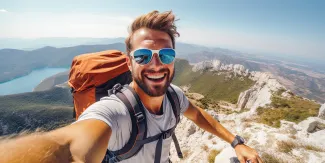
SYDNEY, Australia — The image appears effortless: a silhouetted figure balanced on a mountain overhang at sunrise, arms outstretched, the valley falling away thousands of feet below. The caption reads "Living my best life" or "Find your edge." What the post doesn't mention is the scramble to reach that perch, the absence of safety equipment, or the fact that the location sits within a conservation area where such access is restricted. This is the paradox at the heart of contemporary travel influence, where the imperative to inspire increasingly collides with the obligation to inform. New research examining Australian travel and adventure influencers has illuminated a troubling pattern: a systematic downplaying of risk in content designed to entertain and engage followers. The findings raise fundamental questions about responsibility, authenticity, and the increasingly blurred line between aspiration and recklessness in the digital age.
The Deadly Pursuit of Content
The stakes of this phenomenon extend far beyond likes and comments. According to the research, 379 people died taking selfies between 2008 and 2021, many in pursuit of dramatic images at cliffs, mountain overhangs and around water. These are not abstract statistics; they represent travelers, often young ones, who ventured into dangerous terrain emboldened by images that made risk appear manageable, even glamorous. The research, which examined the practices and perspectives of Australian influencers, reveals how content creators navigate the tension between inspiring their audiences and acknowledging the genuine hazards of the locations they promote. For those of us who have spent years documenting Africa's wilderness and remote regions, this dynamic feels unnervingly familiar. The difference lies not in the landscape but in the medium: where traditional travel journalism maintained editorial standards and fact-checking protocols, social media operates with few such guardrails.
Inspiration Without Education
The study interviewed 19 Australian influencers aged 23 to 41 who specialize in travel and outdoor content. Despite their large followings and demonstrable influence over audience behavior, a pattern emerged in how these creators framed their role. Many positioned themselves explicitly as sources of inspiration rather than instruction, a distinction that conveniently absolves them of responsibility for how followers interpret and act upon their content. This "here to inspire, not teach" philosophy pervades the influencer landscape. It allows creators to showcase dramatic, risk-laden activities while maintaining plausible deniability about their influence on follower behavior. A climber posting from an unprotected cliff edge can claim they're simply sharing their personal experience, not recommending others follow suit. Yet the very nature of influence, the mechanism that makes these individuals valuable to tourism boards and equipment manufacturers, rests on the premise that followers will emulate what they see. The research reveals how influencers think about risk, responsibility and their role in shaping how audiences engage with wilderness and adventure travel. What emerges is a portrait of an industry still grappling with its own power, often defaulting to entertainment value over educational responsibility.
The Economics of Risk
Understanding this dynamic requires acknowledging the economic pressures that shape influencer content. Algorithms reward engagement, and engagement flows toward the spectacular, the daring, the boundary-pushing. A carefully composed image of a sunset from a designated viewpoint garners modest attention. The same sunset captured while dangling from a rock formation generates comments, shares, saves; it becomes the content that brands notice and followers remember. This creates a perverse incentive structure where safety considerations become competitive disadvantages. Influencers who include disclaimers, acknowledge risks, or show the mundane reality behind the perfect shot may find themselves losing ground to competitors willing to present a more seamless, risk-free fantasy. The research suggests many Australian influencers are caught in this bind, aware of the dangers they sometimes minimize yet constrained by platform dynamics that reward spectacle over substance.
Implications for Responsible Travel
For travelers, particularly younger audiences who have grown up with social media as their primary source of travel inspiration, these findings warrant careful consideration. The images flooding your feed represent a curated, often misleading portrait of what adventure travel entails. They typically exclude the preparation, the safety protocols, the local knowledge, and sometimes the permits required to access sensitive locations responsibly. The research underscores what many of us working in travel journalism have long understood: inspiration divorced from education is dangerous. Effective travel storytelling, whether in print or on screens, must balance the aspirational with the practical, the beautiful with the real. It requires acknowledging that wilderness, while magnificent, is also indifferent; that adventure, while transformative, carries genuine risk; and that sharing these experiences publicly creates obligations to those who might follow in our footsteps.
A Call for Industry Standards
The Australian research arrives at a moment when the travel industry is reckoning with overtourism, environmental degradation, and the complex impacts of social media on vulnerable destinations. It suggests the need for industry-wide standards, perhaps voluntary codes of conduct that encourage influencers to include safety information, acknowledge risks, and consider the downstream consequences of their content. Such standards exist in traditional journalism, where ethical guidelines shape how we report from conflict zones, environmentally sensitive areas, or culturally protected sites. The challenge lies in translating these principles to a medium built on individual expression and algorithmic amplification. But if 379 selfie deaths suggest anything, it's that the status quo is untenable. The platforms that profit from this content, the brands that sponsor it, and the creators who produce it all share responsibility for ensuring that inspiration doesn't become incitement to harm.
About the Author

Wilson Montgomery
Wilson Montgomery is a British-born travel writer who has carved a niche for himself with his compelling narratives about African travel and safari experiences.