
Taranto port, officially known as the gateway to southern Italy’s Ionian coast, distinguishes itself from other cruise terminals by its strategic location at the crossroads of antiquity and contemporary maritime efficiency. Unlike more generic western Mediterranean hubs, Taranto blends centuries of seafaring heritage with sleek, purpose-built facilities that welcome the modern explorer. Signature experiences begin the moment ships glide into the Gulf of Taranto: a stroll along the waterfront with views of the Aragonese Castle and the busy fishing boats, a curated shore excursion to the historic center and the National Archaeological Museum of Taranto (MARTA), and day trips into the sun-drenched landscapes of Puglia — Matera, Lecce, and the charming towns of the Salento coast. The port’s fleet features are designed to support seamless operations for cruise lines: dock-to-ship transfer corridors, dedicated passenger terminals, efficient baggage handling, and eco-friendly shore power where available, all enabling longer port calls with minimal dwell times. Onboard services in Taranto’s approach emphasize comfort and choice, with multilingual port staff, excursion desks ready to tailor experiences to families, couples, or solo travelers, and passenger lounges offering refreshments, Wi‑Fi, and quiet spaces for reboarding. For guests seeking authentic Italian moments, Taranto provides culinary discoveries—fresh seafood markets, waterfront trattorie, and connections to Apulia’s famed wines and olive oils—while itineraries frequently extend to near-perfect Adriatic beaches and historic towns. In short, Taranto stands out not just as a port of call, but as a curated gateway to the soul of Italy’s southeastern coast, where every docking becomes a doorway to memory, flavor, and discovery.
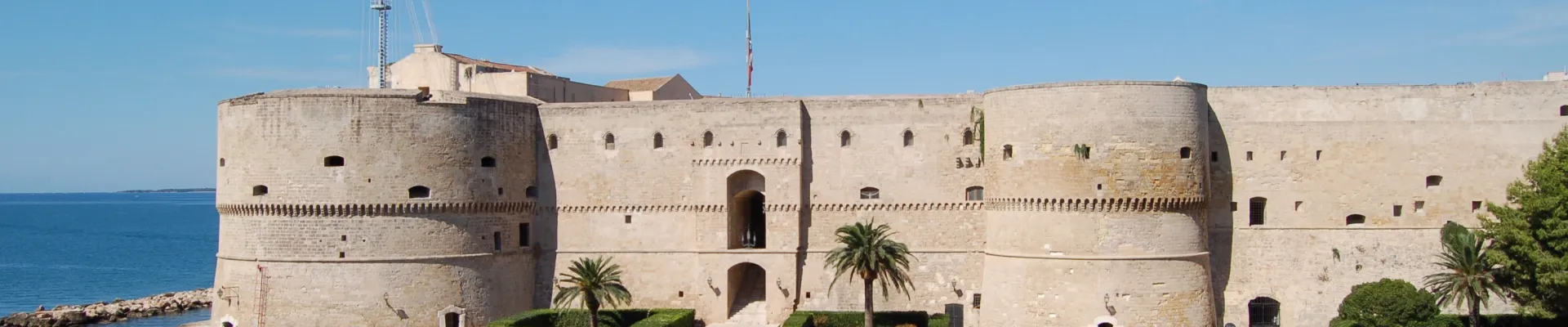
Introduction to Port
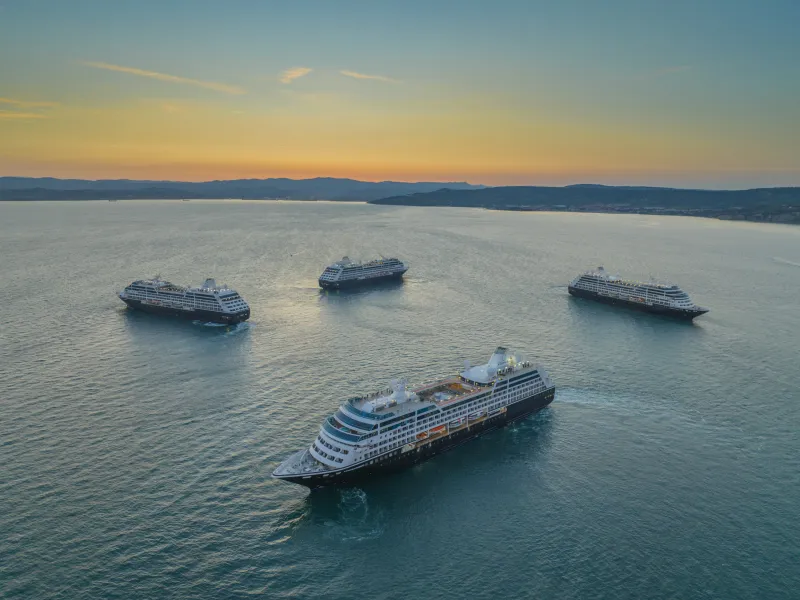
Azamara
Azamara is a boutique cruise line focused on Destination Immersion, offering intimate ships, longer port stays, overnigh4 Ships100 Ports2 Types
Oceania Cruises
Oceania Cruises is the world’s leading culinary- and destination-focused cruise line. Its seven small ships carry up to8 Ships130 Ports2 Types