
St. Kilda Archipelago stands apart as a remote Scotland cruise port where you don't simply stop at a destination - you step into a living relic of nature and culture. About 40 nautical miles beyond the Outer Hebrides, its towering cliffs and sea stacks host Europe's most important seabird breeding colony, making wildlife encounters a signature of every voyage. The archipelago bears UNESCO dual World Heritage status in recognition of its pristine natural heritage and its long human story, a narrative that visitors can touch in Village Bay on Hirta, where a National Trust for Scotland restoration keeps the past alive and a resident caretaker doubles as shopkeeper and postmaster for postcards sent from this far corner of Scotland. Signature experiences include intimate landings by Zodiac boats, guided walks to dramatic viewpoints, and evening boat trips that reveal the colonies at dusk. Destinations center on Hirta and its surrounding islets, with opportunities to learn about the island's ecology, geology, and cultural recovery while respecting the fragile environment. The expedition fleet backing these trips features purpose-built expedition ships with shallow drafts for easy shore visits, stabilized hulls for smoother passages, and ample Zodiac support for multiple, low-impact landings. Onboard services emphasize discovery and comfort: expert naturalists and rangers delivering talks, immersive lectures on St. Kilda's heritage and wildlife, locally inspired cuisine using island ingredients, generous observation lounges, and a program that blends sustainability with thoughtful leisure so guests leave with a deep sense of place.

Introduction to Port
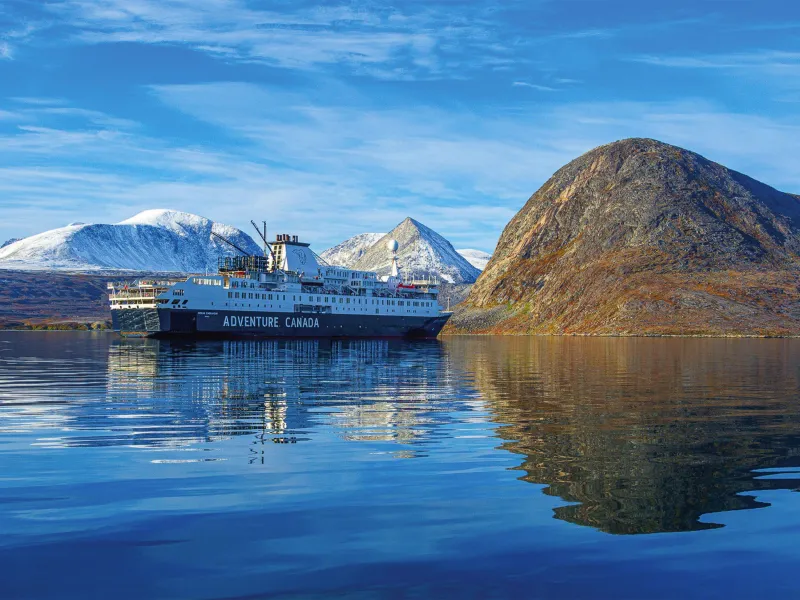
Adventure Canada
Adventure Canada is a family‑run travel company founded in 1987, specializing in small‑ship expedition cruises to the wo2 Ships20 Ports1 Types
HX Hurtigruten Expeditions
HX Hurtigruten Expeditions marks a global evolution of Hurtigruten into a broader, more sustainable expedition brand. Ro5 Ships50 Ports1 Types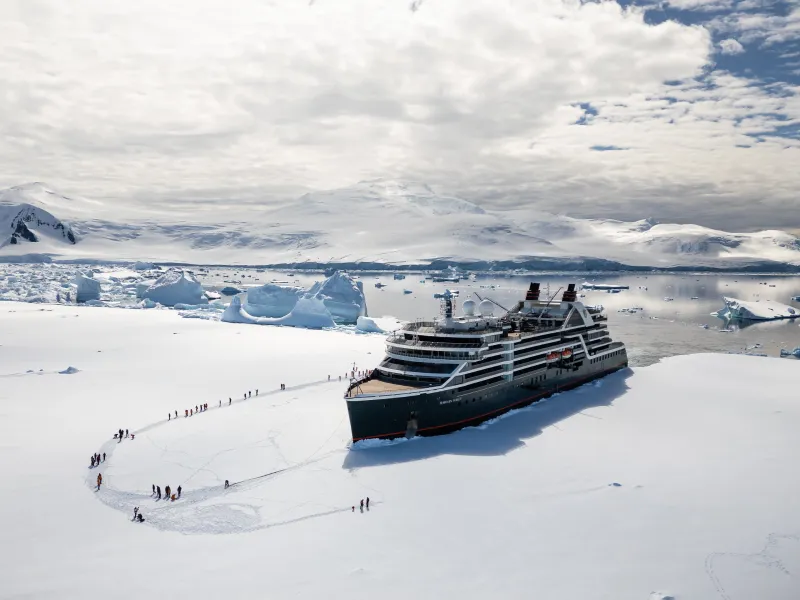
Seabourn
At Seabourn, travel is a passion and cruising is reimagined as a private, all inclusive experience. Our ultra luxury shi6 Ships90 Ports2 Types