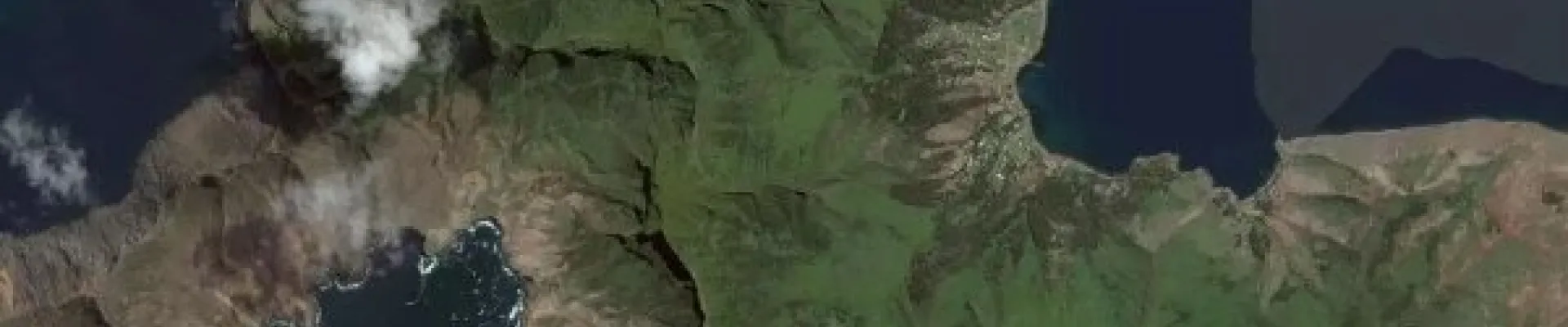
San Juan Bautista (Robinson Crusoe Island) stands apart from typical cruise stops with its dramatic remoteness and a landscape forged by volcanic-fire and ocean spray. Sitting roughly 600 kilometres off the coast of Chile, it is the largest of the Juan Fernandez Islands and a living biodiversity hotspot where about 70 percent of its plant species are endemic, protected as a Chilean National Park since 1935 and a UNESCO World Biosphere Reserve, inviting guests to step into a natural laboratory carved by wind and sea. The island’s history is etched into the shore: the fortress-topped Cumberland Bay, the village of San Juan Bautista, and the long arc of stories from penal colonies to the 1915 scuttling of the German cruiser Dresden. On a port call here, signature experiences include guided hikes through pristine scrub and groves of endemic flora, fossil-studded viewpoints, visits to fortress ruins that overlook the harbor, and intimate exchanges with local fishermen who still ply the waters for the prized “pincer-less lobster.” The destinations are intimate and dramatic—Cumberland Bay’s coves, the sleepy hillside hamlets of San Juan Bautista, and the archipelago’s dramatic volcanic coastline—each offering a window into both Chilean culture and wild biology. Fleet features geared to expedition and mid-sized vessels enable shallow-draft landings and efficient tender operations, while onboard services curated by cruise lines showcase Chilean cuisine, local wines, and biodiversity lectures delivered by onboard naturalists. Together, these elements create a port call that blends rugged natural beauty, living history, and immersive experiences in a way that few other cruise ports can offer.