
Castro stands apart from other cruise ports with its bright palafitos—wooden huts perched on slender stilts along the estuary—turning the waterfront into a living, color-splashed welcome that invites guests to slow down and listen to Chiloe’s stories. The signature experiences here are immersive: a guided stroll along the malecón to photograph the patchwork of optimistic colors, a tranquil boat ride through the estuary where palafito villages loom over the water, and tasting local specialties like curanto in a seaside eatery that celebrates Chilote heritage. Castro also serves as a perfect base for exploring the wider Chiloe archipelago, with shore trips to historic towns such as Ancud and Dalcahue, as well as ferry links to Quinchao for quieter coves and artisanal workshops. In terms of fleet features, the harbor is designed to accommodate mid-sized ships with sheltered docking and efficient tendering, allowing quicker embarkation and disembarkation and more time on shore for authentic experiences. Onboard services aligned to this destination often include culinary demonstrations of Chilote cuisine, enrichment talks on the archipelago’s ecology and history, and optional private shore excursions that deepen guests’ connection to the region. Castro’s resilient spirit—born from a history of earthquakes and fires, including the 1960 quake—infuses the port with a welcoming, upbeat energy, making it not just a stopover but a vibrant doorway to Chile’s most colorful and culturally rich coastline.
Introduction to Port
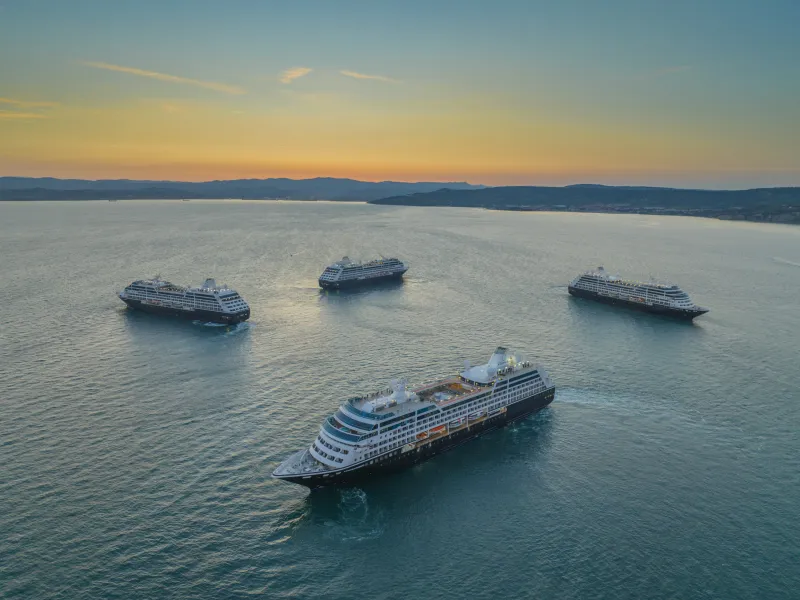
Azamara
Azamara is a boutique cruise line focused on Destination Immersion, offering intimate ships, longer port stays, overnigh4 Ships100 Ports2 Types
HX Hurtigruten Expeditions
HX Hurtigruten Expeditions marks a global evolution of Hurtigruten into a broader, more sustainable expedition brand. Ro5 Ships50 Ports1 Types
Oceania Cruises
Oceania Cruises is the world’s leading culinary- and destination-focused cruise line. Its seven small ships carry up to8 Ships130 Ports2 Types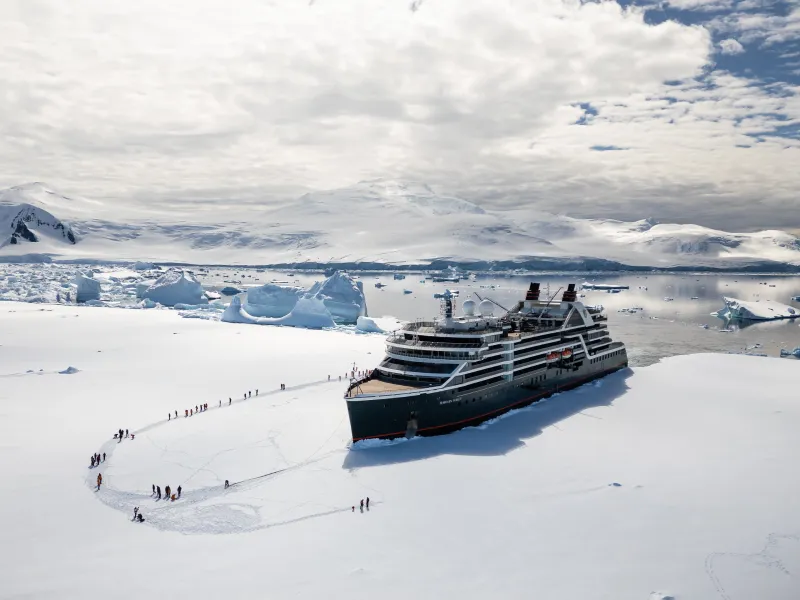
Seabourn
At Seabourn, travel is a passion and cruising is reimagined as a private, all inclusive experience. Our ultra luxury shi6 Ships90 Ports2 Types